

How it works
Step 1 of 4
A DNA nanostructure, designed in silico.
Its size and shape are controlled at the nanometer scale.
Molecular amplifiers that make rapid tests up to 100× more sensitive.
Step 1 of 4
Its size and shape are controlled at the nanometer scale.
Step 2 of 4
The structure works as a molecular adapter for the antibodies of a rapid test.
Step 3 of 4
An analyte molecule binding to the detection antibody is now labeled with multiple nanoparticles (instead of one in a conventional assay).
Step 4 of 4
Lab-grade sensitivity. Rapid-test simplicity.
Illustration based on our structural model: DNA origami (blue), detection antibodies, and gold nanoparticles as signal labels. Test strips and test-line close-ups are schematic.
| nm | Molecular precision | Custom DNA nanostructures, designed in silico, with control over size and shape at the nanometer scale. |
|---|---|---|
| 100× | Signal amplification | Up to 100× stronger signal in standard rapid tests. Validated and peer-reviewed.Ijäs, H., et al. Nat Commun 16, 3216 (2025). |
| Low cost | Attractive unit economics | Very attractive unit economics allow Amplifold technology to be integrated into virtually all lateral flow assays, maintaining their cost structure while delivering lab-grade results. |
In development, not available for sale.
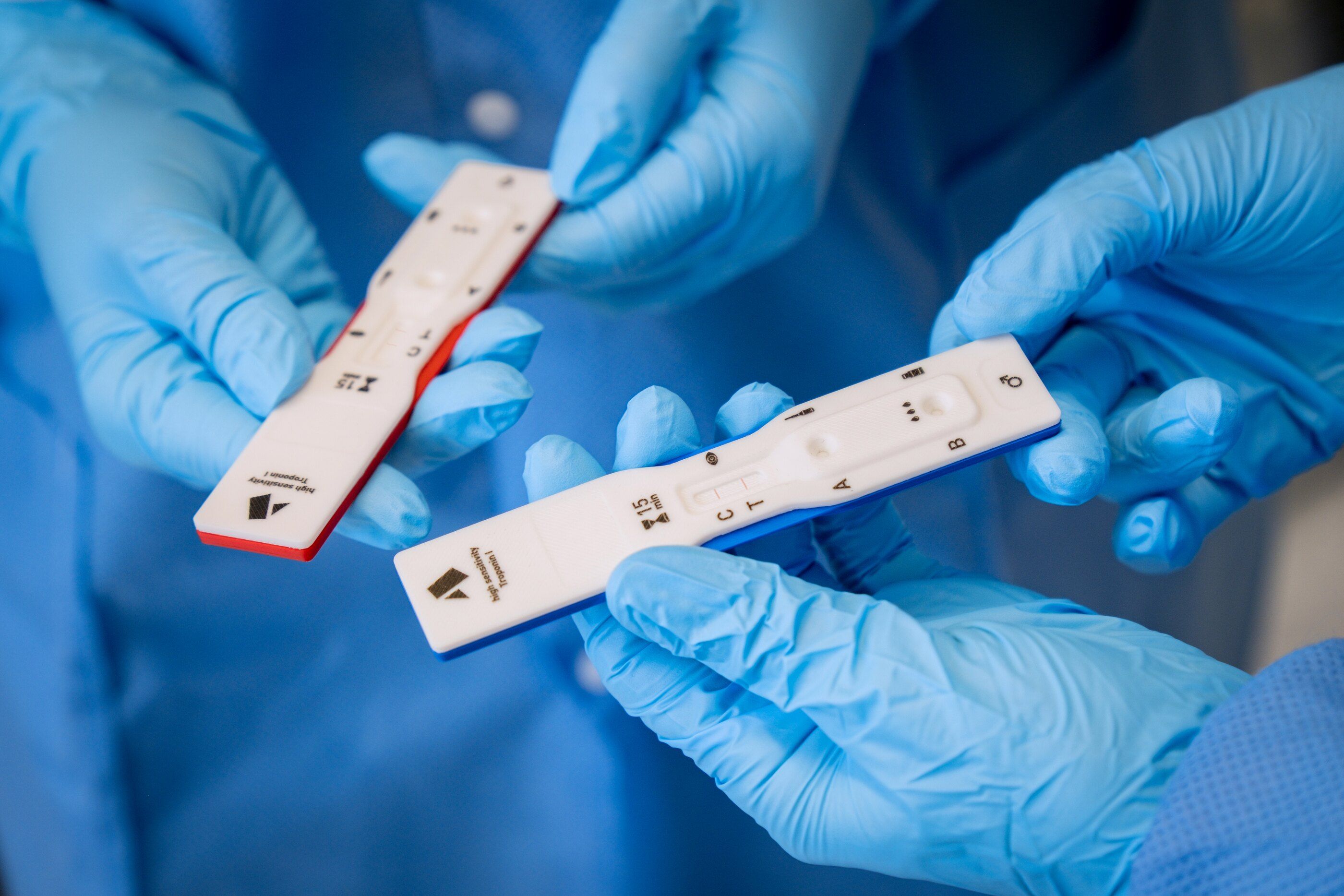
Amplifold brings laboratory-grade sensitivity to rapid tests. Our DNA origami technology, developed at Ludwig-Maximilians-Universität München (LMU), uses precisely engineered nanostructures to amplify the signal of lateral flow assays by up to two orders of magnitude, while keeping the speed and simplicity of a familiar test strip. Our first application, in development, is high-sensitivity cardiac troponin I testing at the point of care; infectious diseases are next.
Based in Munich and operating under a quality management system according to ISO 13485, Amplifold combines pioneers in DNA nanotechnology with diagnostics entrepreneurs who have built and sold a molecular diagnostics company before. We are backed by Matterwave Ventures, XISTA Science Ventures, Bayern Kapital, b2venture and Labor Becker.
A highly dedicated team of currently 11 people working on the future of lateral flow assays.
Rooted in Ludwig-Maximilians-Universität München, with 50+ years of combined DNA nanotechnology research.
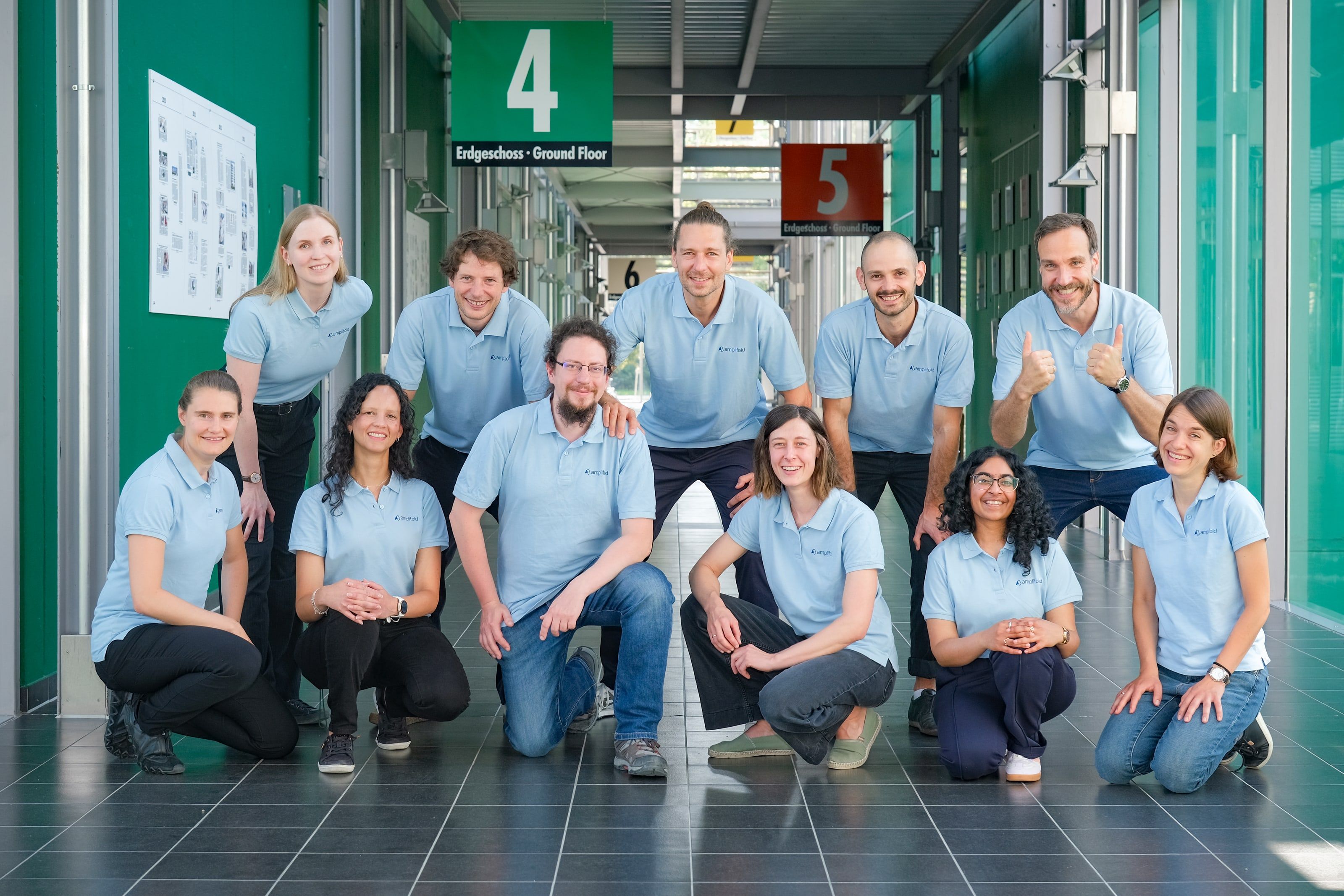
Our team combines scientific excellence with experience in building and exiting an IVD company.



Experience across diagnostics, medicine, venture investment and DNA nanotechnology research.

Tom Miller
Dx investor and Chairman, previously senior Dx and MedTech executive in global leadership roles
LinkedIn

Benedikt Kronberger
General Partner at Matterwave Ventures, VC investor with a track record in healthcare
LinkedIn
Prof. Peter Luppa
Expert in laboratory medicine and point-of-care testing, Technical University of Munich
TUM profile
Prof. Tim Liedl
Co-founder and Scientific Advisor
Professor of Experimental Physics, Ludwig-Maximilians-Universität München
LMU profile
Prof. Friedrich Simmel
Co-founder and Scientific Advisor
Chair of Physics of Synthetic Biological Systems, Technical University of Munich
TUM profile48.11° N, 11.46° E
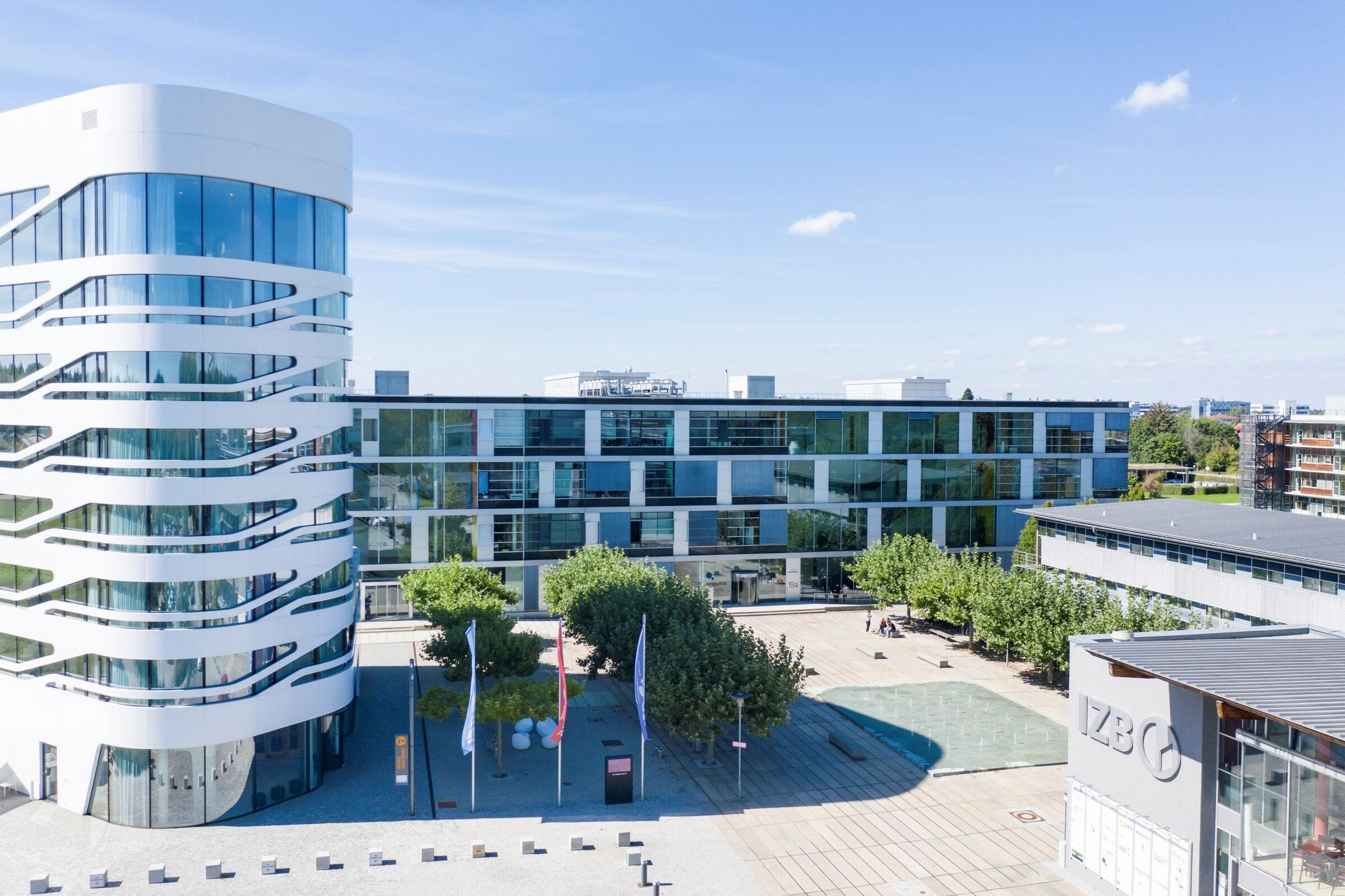
We work at the IZB, the Innovation and Start-up Center for Biotechnology, on the life-science campus in Martinsried just outside Munich.
LMU University Hospital Großhadern, LMU’s Biomedical Center, Biocenter and Gene Center, its Faculty of Chemistry and Pharmacy, and the Max Planck Institutes of Biochemistry and for Biological Intelligence are all within walking distance. That puts clinical and research expertise a few minutes from our lab. Martinsried, often called Bio-Valley, is one of Europe’s most active biotech clusters.


Simplified from map data © OpenStreetMap contributors.
€5 million seed round, December 2025. Read the announcement
We would like to hear from you.
 Ijäs, H., et al. Nat Commun 16, 3216 (2025).


